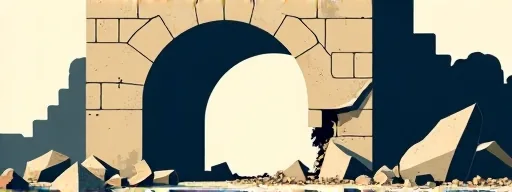
联合国教科文组织将黎巴嫩古城提尔列入濒危遗产名录,以应对以色列军事打击造成的损害
黎巴嫩政府主动申请将提尔列入濒危名录,旨在借助国际机制加强对这一腓尼基古城的保护,同时指责以色列未遵守武装冲突中保护文化遗产的国际公约。
7月22日,联合国教科文组织(UNESCO)在韩国釜山举行的第48届世界遗产委员会会议上决定,将黎巴嫩南部古城提尔的考古遗址列入《世界遗产濒危名录》。该组织通过社交媒体表示,遗址“直接遭到打击并受到损害”,且“鉴于可能遭受进一步影响,其保护状况日益令人担忧”,并指出“已不再具备确保该遗产突出普遍价值得到保存和保护的最佳条件”。
黎巴嫩文化部长加桑·萨拉梅对教科文组织的决定公开表示感谢,并强调此举是应黎巴嫩政府请求而作出。萨拉梅指责以色列未遵守1954年《关于发生武装冲突时保护文化财产的公约》(《海牙公约》),也无视由教科文组织相关委员会设立、用于在冲突中标识受保护文化遗址的“蓝盾”标志。黎巴嫩方面认为,将提尔列入濒危名录有助于动员国际关注,并对可能进一步危及遗址的军事行动形成外交压力。
提尔是地中海东岸最古老的城市之一,始建于约4700年前,历经腓尼基、波斯、希腊化、罗马、拜占庭和奥斯曼等时期,于1984年被列入世界遗产名录。其核心保护区包括罗马时期的凯旋门、公元2世纪的赛马场以及阿尔-巴斯墓地等重要遗迹。自2023年10月新一轮巴以冲突爆发以来,黎巴嫩真主党为策应哈马斯向以色列北部发射火箭弹,以色列则以空袭和地面行动回应,战火波及黎南部地区。据地区媒体报道,以色列军方曾对提尔部分地区发布疏散令,今年3月和6月,遗址区域先后遭到直接打击,黎巴嫩文化部也证实了相关损害。
此次列入濒危名录的决定,使提尔成为继东耶路撒冷旧城及其城墙、巴勒斯坦希伯伦老城等之后,又一处因地区冲突而面临威胁的遗产地。黎巴嫩议会主席纳比·贝里在谈及黎总统奥恩与美国总统特朗普的会晤时表示,关键在于落实停火和以军撤离,但这一目标至今未能实现。教科文组织的决定虽不具强制执行力,但依据《世界遗产公约》,它将触发对遗址保护状况的强化监测,并可能推动国际社会提供技术和资金援助。目前,黎巴嫩方面正寻求通过外交渠道确保遗址不再遭受进一步破坏,而停火谈判的进展仍是影响该遗产命运的关键变量。
| 俄罗斯及独联体媒体 | −0.30 | critical |
|---|---|---|
| 大西洋/英语圈媒体 | 0.00 | neutral |
| 阿拉伯黎凡特—马格里布媒体 | −0.90 | critical |
UNESCO registers concern over Israeli damage to Tyre, framing the strikes as a threat to heritage without directly accusing Israel.
The report relies on UNESCO's official statement and avoids naming the perpetrator explicitly, instead using passive constructions like 'the site was damaged' and 'strikes from the Israeli army' to depoliticize the event.
Omitted is the Lebanese minister's strong condemnation of 'Zionist aggression' and any context of Hezbollah's role in the hostilities.
UNESCO adds Tyre to the danger list, noting the bombings but avoiding any judgment on the sides involved, treating the conflict as a generic threat to heritage.
The framing uses neutral language such as 'bombarded by Israel' but without moral evaluation, and quickly shifts to the historical description of Tyre, normalizing the event as a routine listing.
Omitted is any mention of the Lebanese government's request for the listing and the political implications of Israel's military campaign in southern Lebanon.
Lebanon's culture minister thanks UNESCO for listing Tyre as endangered due to 'Zionist aggression', demanding global protection and framing the damage as part of a deliberate Israeli assault on Lebanese heritage.
The narrative amplifies the victim perspective by quoting the minister's use of 'aggressione sionista' and emphasizing the immediate threat to the site, while omitting any reference to Hezbollah's military actions that provoked Israeli strikes.
Omitted is any mention that the listing was requested by Lebanon itself, as well as the context of Hezbollah rocket attacks that led to Israeli retaliation; the conflict is presented as a one-sided Israeli aggression.